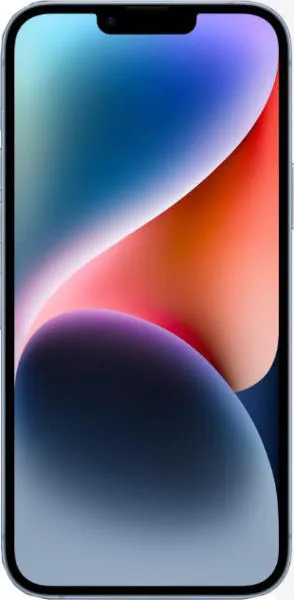
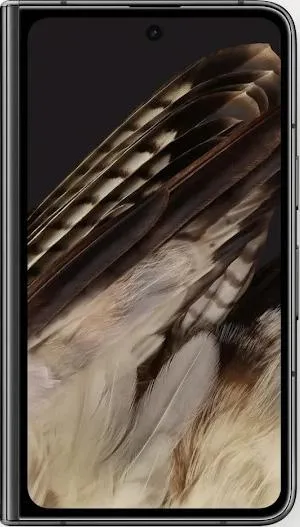
iPhone 14 Plus vs. Google Pixel Fold: A Deep Dive for the Discerning User
The smartphone landscape is ever-evolving, with Apple's steadfast refinement and Google's innovative spirit constantly pushing boundaries. Today, we dissect two compelling devices: the iPhone 14 Plus, a champion of classic design, and the Pixel Fold, Google's ambitious foray into the foldable future. Let's delve into the specifics and uncover what each phone offers the discerning user.
1. Specifications Breakdown
| Feature | Apple iPhone 14 Plus | Google Pixel Fold | Real-World Implications |
|---|---|---|---|
| Design | |||
| Dimensions (mm) | 160.8 x 78.1 x 7.8 | 139.7 x 158.7 x 5.8 | iPhone 14 Plus is larger but thinner; Pixel Fold is wider due to its folding design, significantly thicker when folded. |
| Weight (g) | 203 | 283 | iPhone 14 Plus is noticeably lighter for one-handed use; Pixel Fold's weight reflects its complex hinge mechanism. |
| Foldable | No | Yes | Pixel Fold offers a tablet-like experience in a pocketable device; iPhone 14 Plus prioritizes a traditional form factor. |
| Display | |||
| Size (inches) | 6.7 | 7.6 (unfolded) 5.8 (folded) | Pixel Fold boasts a significantly larger unfolded display for multitasking and media consumption, but smaller folded. |
| Resolution (px) | 1284 x 2778 | 1840 x 2208 (unfolded) 1080 x 2092 (folded) | Both offer sharp visuals; Pixel Fold's unfolded display provides more screen real estate. |
| Display Type | Super Retina XDR OLED | Foldable OLED | Both utilize high-quality OLED panels for vibrant colors and deep blacks, Pixel Fold with a higher refresh rate of 120Hz for smoother animations |
| Refresh Rate (Hz) | 60 | 120 | Pixel Fold's higher refresh rate results in smoother scrolling and animations. |
| Performance | |||
| Chipset | Apple A15 Bionic | Google Tensor G2 | Both are powerful chips; A15 boasts exceptional single-core performance, Tensor G2 emphasizes AI and ML capabilities. |
| RAM (GB) | 6 | 12 | Pixel Fold's larger RAM enables better multitasking and app switching. |
| OS | iOS 16 | Android 13 | Distinct user experiences; iOS is known for simplicity and optimization, Android for customization and flexibility. |
| Camera | |||
| Main Camera (MP) | 12 | 48 | Pixel Fold has a higher resolution main sensor; image quality depends on processing and software. |
| Camera Features | Sensor-shift OIS | Optical zoom 5x | Both offer advanced camera features; iPhone emphasizes video stabilization, Pixel Fold on zoom capabilities. |
| Battery Life | |||
| Capacity (mAh) | 4323 | 4821 | Pixel Fold has a slightly larger battery to power its larger display and more demanding hardware. |
2. Key Insights
Form Factor Revolution: The Pixel Fold's foldable design is its defining feature, transforming from a phone to a mini-tablet. This versatility comes at the cost of increased weight and thickness. The iPhone 14 Plus sticks to a proven, sleek design prioritizing pocketability and comfortable one-handed use.
Power and Performance: The A15 Bionic in the iPhone 14 Plus, while a generation older, still delivers blazing fast performance, especially in single-core tasks, crucial for responsiveness. The Tensor G2 in the Pixel Fold excels in AI-driven features, photography processing, and complex multitasking thanks to its larger RAM.
Visual Experience: While both phones feature stunning OLED displays, the Pixel Fold's 120Hz adaptive refresh rate provides a noticeably smoother user experience. The iPhone's display, while locked at 60Hz, offers exceptional color accuracy and brightness. The Pixel Fold's larger unfolded screen real estate enhances productivity and media consumption.
Photography Prowess: Both are camera powerhouses, but with different strengths. Apple leans on its cinematic video recording and sensor-shift stabilization, while Google leverages its computational photography prowess and superior zoom capabilities with the Pixel Fold.
3. User Profiles and Recommendations
iPhone 14 Plus: Ideal for users who prioritize a seamless, intuitive user experience, value a lightweight and pocketable device, and appreciate Apple's ecosystem integration. Excellent for users who prioritize single-handed usability and a long battery life in a familiar form factor.
Pixel Fold: Perfect for power users, multitaskers, and content creators who crave a larger screen for productivity and media consumption on the go. The foldable design offers a unique user experience, appealing to early adopters who embrace innovation.
4. Buying Decision Framework
How important is screen real estate and multitasking? If a larger screen for productivity and entertainment is paramount, the Pixel Fold is the clear winner.
Do you prioritize portability and one-handed use? The iPhone 14 Plus's lighter weight and traditional form factor will be more comfortable for extended use and single-handed operation.
What is your budget and tolerance for new technology? The Pixel Fold commands a premium price, reflecting its cutting-edge foldable technology. The iPhone 14 Plus offers a more established, albeit still premium, experience at a slightly lower cost.
My Choice: The iPhone 14 Plus
While the Pixel Fold is undoubtedly innovative and exciting, the iPhone 14 Plus aligns better with my personal needs and preferences. I value the seamless iOS experience, the phone's lighter weight and comfortable one-handed usability, and the consistent performance of the A15 Bionic. The traditional form factor, while perhaps less groundbreaking, fits effortlessly into my daily life. As a tech journalist, I appreciate pushing technological boundaries, but for my personal device, reliability, ease of use, and a refined user experience hold greater weight. The iPhone 14 Plus delivers on these fronts, offering a polished and powerful experience that perfectly complements my workflow and lifestyle. While I admire Google's ambition with the Pixel Fold, the maturity and refinement of the iPhone 14 Plus make it the compelling choice for me.
