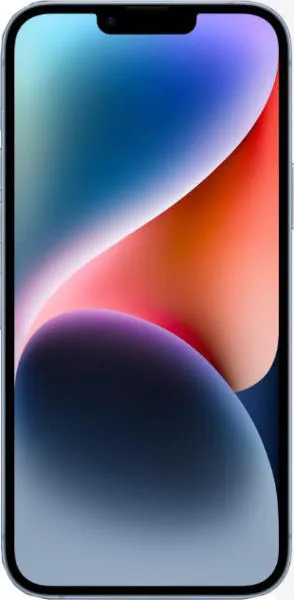
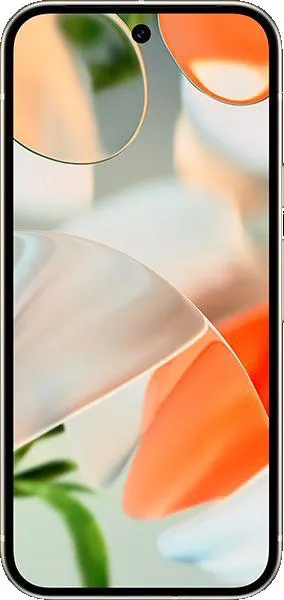
iPhone 14 Plus vs. Google Pixel 9: A Deep Dive for the Discerning User
The smartphone landscape is constantly evolving, and choosing the right device can feel overwhelming. Today, we'll dissect two compelling contenders: the Apple iPhone 14 Plus and the Google Pixel 9. Let's move beyond the marketing hype and delve into the engineering realities to understand what each phone truly offers.
1. Specifications Breakdown
| Feature | Apple iPhone 14 Plus | Google Pixel 9 | Real-World Implications |
|---|---|---|---|
| Design | |||
| Dimensions (mm) | 160.8 x 78.1 x 7.8 | 152.8 x 72 x 8.5 | Pixel 9 is noticeably more compact, potentially easier for one-handed use. |
| Weight (g) | 203 | 198 | Negligible difference in weight; both feel substantial in hand. |
| Build Materials | Aluminum & Glass | Aluminum & Glass | Similar premium feel, though durability might vary slightly depending on specific glass implementation. |
| Display | |||
| Size (inches) | 6.7 | 6.3 | iPhone 14 Plus offers a larger screen for more immersive media consumption. |
| Resolution (px) | 1284 x 2778 | 1080 x 2424 | iPhone boasts a sharper display (458 ppi vs. 422 ppi). Noticeable in text clarity and image detail. |
| Refresh Rate (Hz) | 60 | 120 | Pixel 9's 120Hz provides smoother scrolling and animations, feeling more responsive. |
| Display Type | Super Retina XDR OLED | OLED | Both offer excellent color accuracy and deep blacks. Pixel 9's higher peak brightness may improve outdoor visibility |
| Performance | |||
| Chipset | A15 Bionic (5nm) | Tensor G4 (4nm) | Both are powerful chips, but Tensor G4 is newer with architectural advantages, potentially leading to better sustained performance and AI capabilities. |
| CPU | Hexa-core | Octa-core | More cores on the Pixel 9 could enhance multitasking, though real-world performance depends heavily on optimization. |
| RAM (GB) | 6 | 12 | Pixel 9's larger RAM allows for more apps to be held in memory, minimizing reloading. |
| Camera | |||
| Main Camera (MP) | 12 | 50 | Pixel 9's higher megapixel count allows for more detail and potentially better low-light performance thanks to pixel binning. |
| Ultrawide (MP) | 12 | 48 | Comparable ultrawide capabilities. Pixel 9's wider field of view provides more expansive shots. |
| Battery Life | |||
| Capacity (mAh) | 4323 | 4700 | Pixel 9 has a larger battery, suggesting longer usage time. Real-world battery life depends on various factors including usage patterns and software optimization. |
2. Key Insights
- Performance: While the A15 remains a potent chip, the Tensor G4's newer architecture and larger RAM in the Pixel 9 likely offer a performance edge, especially for demanding tasks and multitasking.
- Display: The iPhone 14 Plus boasts a slightly sharper display, but the Pixel 9's 120Hz refresh rate provides a more fluid and responsive user experience. This is a classic trade-off between resolution and smoothness.
- Camera: Pixel's computational photography prowess is well-known. While specs don't tell the whole story, the Pixel 9's hardware advancements suggest a significant camera advantage, particularly in challenging lighting conditions.
- Battery: The Pixel 9's larger battery capacity hints at longer endurance. However, real-world battery life is heavily influenced by software optimization, so definitive conclusions require extensive testing.
3. User Profiles and Recommendations
- iPhone 14 Plus: Ideal for users prioritizing a larger, sharper display, a robust app ecosystem, and a seamless integration within the Apple ecosystem.
- Pixel 9: Best suited for users seeking cutting-edge camera technology, a smooth and responsive user experience, and the latest Android features and innovations.
4. Buying Decision Framework
- What is your budget? The Pixel 9 is positioned as a "medium price" which suggests a potential higher price point.
- Is display sharpness or smoothness more important to you? This is a subjective preference. Consider whether you prioritize crisp detail or fluid animations.
- Do you heavily rely on your phone's camera? If photography is paramount, the Pixel 9's advanced camera system is likely the better choice.
My Choice: Google Pixel 9
While the iPhone 14 Plus offers a compelling package, I would choose the Google Pixel 9. The combination of the Tensor G4's raw power, the 120Hz display's fluidity, the larger RAM, and the promising camera advancements aligns more closely with my priorities as a power user and tech enthusiast. I value a responsive, future-proof device, and the Pixel 9 seems poised to deliver a more compelling long-term experience. Furthermore, the Pixel's clean Android experience and faster update cycle are attractive. Although battery life needs real-world testing, the larger capacity suggests an advantage.
