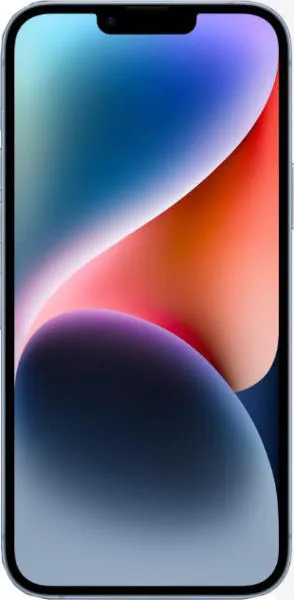
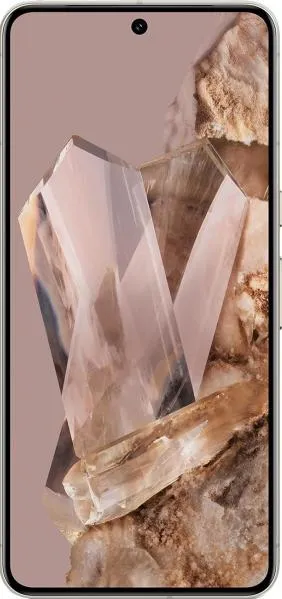
iPhone 14 Plus vs. Google Pixel 8 Pro: A Deep Dive for the Discerning User
The smartphone landscape is constantly evolving, and choosing the right device can feel overwhelming. Today, we'll dissect two compelling contenders: the Apple iPhone 14 Plus and the Google Pixel 8 Pro. We'll go beyond the spec sheet, translating technical jargon into real-world implications to help you make an informed decision.
1. Specifications Breakdown
| Feature | Apple iPhone 14 Plus | Google Pixel 8 Pro | Real-World Implications |
|---|---|---|---|
| Design | |||
| Dimensions (mm) | 160.8 x 78.1 x 7.8 | 162.6 x 76.5 x 8.8 | Pixel 8 Pro is slightly larger and noticeably thicker. |
| Weight (g) | 203 | 213 | Negligible weight difference in daily use. |
| Build Materials | Aluminum & Glass | Aluminum & Glass | Both premium materials, offering durability and a sleek feel. |
| Display | |||
| Size (inches) | 6.7 | 6.7 | Identical screen real estate. |
| Resolution (px) | 1284 x 2778 | 1344 x 2992 | Pixel 8 Pro boasts a slightly sharper display due to higher resolution and pixel density. |
| Panel Type | Super Retina XDR OLED | LTPO OLED | Both offer vibrant colors and deep blacks. Pixel 8 Pro's LTPO allows for variable refresh rate, potentially saving battery. |
| Refresh Rate (Hz) | 60 | 120 | Pixel 8 Pro's 120Hz offers smoother scrolling and animations. |
| Peak Brightness | 1200 nits | 2400 nits | Pixel 8 Pro significantly brighter, enhancing outdoor visibility. |
| Performance | |||
| Chipset | A15 Bionic (5nm) | Tensor G3 (4nm) | Tensor G3 newer generation, likely offering better AI processing and potentially improved efficiency. |
| CPU | Hexa-core | Nona-core | More cores on Tensor G3 could improve multitasking, though real-world performance depends on optimization. |
| RAM (GB) | 6 | 12 | Pixel 8 Pro's doubled RAM enables superior multitasking and app switching. |
| Camera | |||
| Main Sensor (MP) | 12 | 50 | Pixel 8 Pro's higher resolution main sensor potentially captures more detail. |
| Ultrawide (MP) | 12 | 48 | Comparable ultrawide capabilities. |
| Telephoto (MP) | - | 48 | Pixel 8 Pro offers optical zoom, a significant advantage for versatility. |
| Battery Life | |||
| Capacity (mAh) | 4323 | 5050 | Pixel 8 Pro has a larger battery, suggesting longer usage time. |
2. Key Insights
The iPhone 14 Plus delivers a refined iOS experience with a focus on simplicity and performance. Its A15 Bionic chip, while a generation older, still offers impressive speed. The display, though lacking a high refresh rate, provides excellent color accuracy.
The Pixel 8 Pro showcases Google's prowess in AI and computational photography. Its Tensor G3 chip, coupled with 12GB of RAM, promises a powerful and responsive Android experience. The standout features include the 120Hz LTPO display and a versatile camera system with a dedicated telephoto lens.
3. User Profiles and Recommendations
iPhone 14 Plus: Ideal for users entrenched in the Apple ecosystem seeking a large-screen phone with reliable performance and a straightforward user experience. Excellent for casual photography, social media, and everyday tasks.
Pixel 8 Pro: Best suited for Android enthusiasts, power users, and photography aficionados. The Pixel excels in computational photography, demanding multitasking, and leveraging Google's AI-driven features.
4. Buying Decision Framework
- Operating System Preference: Are you invested in the Apple ecosystem or prefer the flexibility of Android?
- Photography Needs: Do you prioritize camera versatility and advanced features, or is a reliable point-and-shoot experience sufficient?
- Performance Expectations: Do you need the absolute latest in processing power and RAM, or is a proven, efficient chip acceptable?
Scenario-Based Recommendations:
- Casual User: iPhone 14 Plus offers a simpler, more user-friendly experience.
- Power User: Pixel 8 Pro provides the performance and features to handle demanding tasks.
- Photography Enthusiast: Pixel 8 Pro's camera system offers superior versatility and image quality.
My Choice: Google Pixel 8 Pro
While I appreciate the polished simplicity of the iPhone 14 Plus, the Pixel 8 Pro aligns more closely with my needs and priorities. As a tech journalist constantly pushing the boundaries of mobile technology, I value the cutting-edge performance of the Tensor G3, the responsiveness of the 120Hz display, and the versatility of the camera system. The larger battery capacity also ensures I can stay connected throughout my demanding workday. While both are excellent devices, the Pixel 8 Pro's advanced features and future-proof specifications make it the compelling choice for me.
