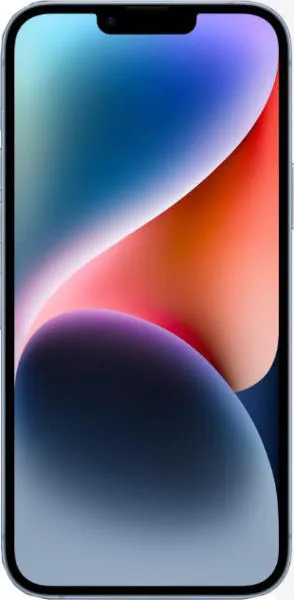
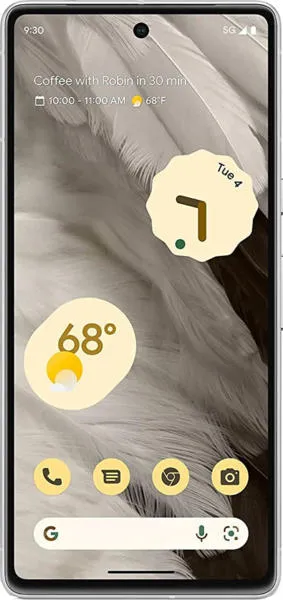
iPhone 14 Plus vs. Google Pixel 7: A Deep Dive for the Discerning User
The smartphone landscape is constantly evolving, and choosing the right device can feel overwhelming. Today, we'll dissect two compelling contenders: the Apple iPhone 14 Plus and the Google Pixel 7. We'll go beyond the spec sheet, translating technical jargon into real-world implications to help you decide which phone fits your lifestyle.
1. Specifications Breakdown
| Feature | Apple iPhone 14 Plus | Google Pixel 7 | Real-World Implications |
|---|---|---|---|
| Design | |||
| Dimensions (mm) | 160.8 x 78.1 x 7.8 | 155.6 x 73.2 x 8.7 | Pixel 7 is slightly smaller and thicker. 14 Plus boasts a thinner profile. |
| Weight (g) | 203 | 197 | Negligible weight difference in hand. |
| Build Materials | Aluminum & Glass | Aluminum & Glass | Both offer premium build quality, though durability may vary slightly. |
| Display | |||
| Size (inches) | 6.7 | 6.3 | 14 Plus offers a larger screen for media consumption and multitasking. |
| Resolution | 1284 x 2778 | 1080 x 2400 | 14 Plus has a sharper display (458 ppi vs. 416 ppi). |
| Panel Type | Super Retina XDR OLED | AMOLED | Both offer vibrant colors and deep blacks. OLED generally consumes less power. |
| Refresh Rate | 60Hz | 90Hz | Pixel 7's 90Hz provides smoother scrolling and animations. |
| Performance | |||
| Chipset | A15 Bionic | Google Tensor G2 | A15 boasts raw power; Tensor G2 emphasizes AI and machine learning capabilities. |
| RAM | 6GB | 8GB | Pixel 7 has more RAM for potentially better multitasking. |
| Camera | |||
| Main Camera | 12MP | 50MP | Pixel 7's higher resolution allows for more detailed photos and better digital zoom. |
| Ultrawide | 12MP | 12MP | Comparable ultrawide capabilities. |
| Battery Life | |||
| Capacity (mAh) | 4323 | 4355 | Very similar battery capacities; real-world usage will vary depending on usage patterns. |
2. Key Insights
- Display: The iPhone 14 Plus's larger, sharper display excels for media consumption. However, the Pixel 7's 90Hz refresh rate provides a noticeably smoother user experience in everyday tasks.
- Performance: The A15 Bionic in the iPhone 14 Plus delivers exceptional performance in benchmarks. The Tensor G2 in the Pixel 7, while powerful, focuses on AI-driven features like photo processing and voice recognition, potentially offering a different kind of performance advantage.
- Camera: While the Pixel 7 boasts a higher megapixel count, Apple's computational photography prowess is well-regarded. Image quality will likely be excellent on both, with the Pixel potentially offering more flexibility due to higher resolution.
- Software: iOS is known for its simplicity and tight integration with Apple's ecosystem, while Android offers greater customization and flexibility. This choice often comes down to personal preference.
3. User Profiles and Recommendations
iPhone 14 Plus: Ideal for users prioritizing a large, high-resolution display, seamless integration with the Apple ecosystem, and reliable performance. Power users who value longevity and a polished user experience would also appreciate the 14 Plus.
Pixel 7: Best suited for users who value a smooth display, innovative camera features powered by AI, and the customization options of Android. Those seeking a slightly more compact phone with a unique software experience would gravitate towards the Pixel 7.
4. Buying Decision Framework
- What is your budget? While both phones fall in the "medium price" range, specific configurations and retailer deals can shift the balance.
- What operating system do you prefer? Your familiarity and preference for iOS or Android will likely be a major deciding factor.
- What are your priorities? A large display? Smooth performance? Cutting-edge camera technology? Identifying your needs will clarify which phone best addresses them.
My Choice: The Google Pixel 7
While both are excellent phones, I'd choose the Pixel 7. The 90Hz display makes a tangible difference in daily use, and the Tensor G2's AI capabilities, particularly in photography, are intriguing. As a tech enthusiast, I appreciate Google's innovative approach to software and hardware. While the iPhone 14 Plus offers a compelling package, the Pixel 7's unique features and slightly lower price point make it a more compelling choice for me. Plus, having a phone that can transcribe audio messages in real time is incredibly useful in my line of work!
