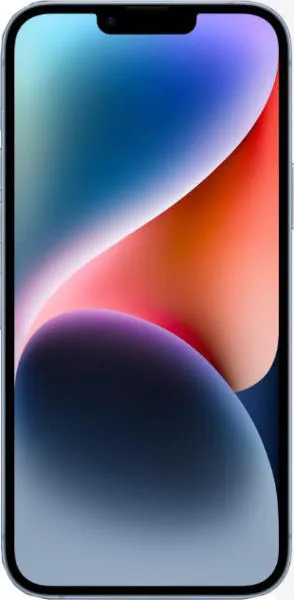
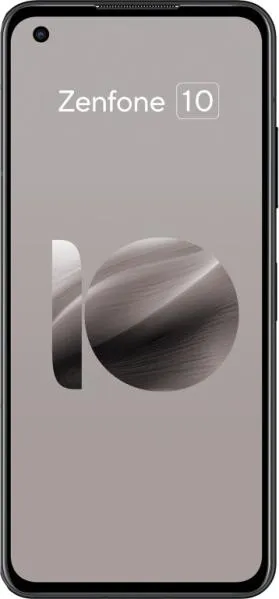
iPhone 14 Plus vs. Asus Zenfone 10: A Detailed Comparison
Let's dive deep into a comparative analysis of the Apple iPhone 14 Plus and the Asus Zenfone 10, dissecting their technical specifications and translating them into real-world user experiences.
1. Specifications Breakdown
| Feature | Apple iPhone 14 Plus | Asus Zenfone 10 | Real-World Implications |
|---|---|---|---|
| Design | |||
| Dimensions (mm) | 160.8 x 78.1 x 7.8 | 146.5 x 68.1 x 9.4 | Zenfone 10 significantly more compact, pocketable, and one-hand friendly. iPhone 14 Plus larger, suitable for media consumption. |
| Weight (g) | 203 | 172 | Zenfone 10 noticeably lighter, reducing fatigue during extended use. |
| Build Materials | Aluminum, Glass | Aluminum, Glass | Both premium build quality, but durability may vary slightly. |
| Display | |||
| Size (inches) | 6.7 | 5.92 | iPhone 14 Plus offers a larger screen for immersive content. Zenfone 10 smaller, but still ample for most tasks. |
| Resolution (px) | 1284 x 2778 | 1080 x 2400 | iPhone 14 Plus higher pixel density (458 ppi vs. 445 ppi), slightly sharper text and images, though imperceptible to most. |
| Refresh Rate (Hz) | 60 | 144 | Zenfone 10's 144Hz delivers incredibly smooth scrolling and animations, enhancing gaming and overall UI responsiveness. |
| Display Type | Super Retina XDR OLED | Super AMOLED | Both offer vibrant colors, deep blacks, and excellent contrast. Zenfone 10's higher refresh rate is a major differentiator. |
| Performance | |||
| Chipset | Apple A15 Bionic | Snapdragon 8 Gen 2 | Snapdragon 8 Gen 2 generally benchmarks higher in raw power, offering potentially faster performance in demanding tasks. A15 still a top performer known for its efficiency. |
| RAM (GB) | 6 | 8/16 | Zenfone 10 offers more RAM options, benefitting multitasking and heavy app usage. |
| OS | iOS 16 | Android 13 | iOS known for simplicity and tight ecosystem, Android for customization and open-source nature. |
| Camera | |||
| Main Camera (MP) | 12 | 50 | Zenfone 10 boasts higher resolution main sensor, potentially capturing more detail. Image quality depends on sensor size, processing, and other factors. |
| Video Recording | Up to 4K@60fps | Up to 8K@24fps | Zenfone 10 offers higher resolution video recording, but 4K@60fps on the iPhone 14 Plus strikes a balance between quality and file size. |
| Stabilization | Sensor-Shift OIS | 6-Axis Gimbal | Zenfone 10's Gimbal stabilization could offer superior video stability, especially in motion. |
| Battery Life | |||
| Capacity (mAh) | 4323 | 4300 | Nearly identical battery capacities. Real-world battery life depends on usage patterns and software optimization. A15 Bionic historically highly efficient. |
2. Key Insights
Size and Handling: The Zenfone 10 is a compact powerhouse, ideal for one-handed use and portability. The iPhone 14 Plus prioritizes a large, immersive display for media consumption.
Performance: While benchmarks favor the Snapdragon 8 Gen 2 in the Zenfone 10, Apple's A15 Bionic in the iPhone 14 Plus remains a formidable chip known for its excellent performance and efficiency. The Zenfone 10's RAM advantage becomes significant for power users.
Display: Both offer stunning visuals, but the Zenfone 10's 144Hz refresh rate is a game-changer for smoothness and responsiveness. This is a significant advantage for gamers and those sensitive to UI lag.
Camera: The Zenfone 10's higher resolution main camera and gimbal stabilization suggest a potential edge in photography and videography, particularly in low light and motion scenarios. However, Apple's computational photography prowess could level the playing field. Real-world camera comparisons are crucial.
Software: iOS and Android cater to different preferences. iOS prioritizes ease of use and a tightly controlled ecosystem, while Android offers customization and flexibility.
3. User Profiles and Recommendations
iPhone 14 Plus: Users who prioritize a large display for media consumption, value simplicity and ecosystem integration, and prefer a long-lasting battery within the Apple ecosystem.
Zenfone 10: Users who value a compact, powerful phone with a buttery-smooth display, cutting-edge camera technology, and prefer the flexibility of the Android operating system. Gamers and power users will appreciate the high refresh rate and RAM options.
4. Buying Decision Framework
What screen size do you prefer? Large and immersive or compact and one-hand friendly?
Which operating system aligns with your needs and preferences? iOS for simplicity or Android for customization?
What are your priorities in performance and camera capabilities? Raw power and high refresh rate, or balanced performance with a strong camera system?
My Choice: As a tech journalist who values both performance and portability, I'd lean towards the Asus Zenfone 10. The 144Hz display is a compelling feature that significantly enhances daily use, and the powerful Snapdragon 8 Gen 2 coupled with ample RAM promises a fluid and responsive experience. The compact form factor is a major plus for me, and I'm intrigued by the potential of the camera system with its gimbal stabilization. While I appreciate the simplicity of iOS, the Zenfone 10's blend of cutting-edge hardware and Android flexibility better suits my needs. However, users heavily invested in the Apple ecosystem would likely find the iPhone 14 Plus a more seamless transition.
