iPhone 14 Plus vs. Asus ROG Phone 8 Pro: A Deep Dive for the Discerning User
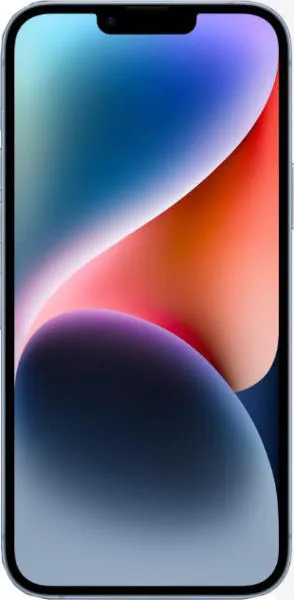
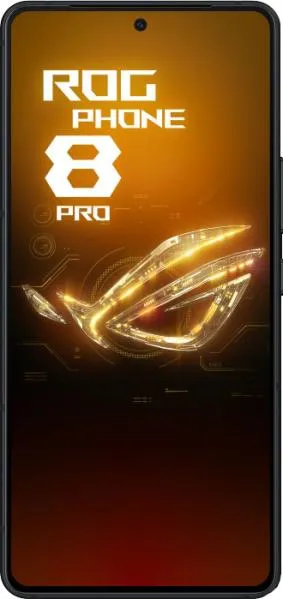
The smartphone landscape is a battlefield, and today we're pitting two seemingly disparate contenders against each other: the Apple iPhone 14 Plus and the Asus ROG Phone 8 Pro. While one caters to the mainstream, the other screams gaming prowess. But beneath the surface, there's more to this comparison than meets the eye. Let's dissect these devices, translating the cold hard specs into real-world experiences.
1. Specifications Breakdown
| Feature | Apple iPhone 14 Plus | Asus ROG Phone 8 Pro | Real-World Implications |
|---|---|---|---|
| Design | |||
| Dimensions (mm) | 160.8 x 78.1 x 7.8 | 163.8 x 76.8 x 8.9 | ROG Phone 8 Pro is larger and noticeably thicker. |
| Weight (g) | 203 | 225 | ROG Phone 8 Pro is heavier, impacting one-handed use. |
| Build Material | Aluminum & Glass | Aluminum & Glass | Similar premium feel, durability depends on individual use cases. |
| Display | |||
| Size (inches) | 6.7 | 6.78 | Negligible size difference in real-world usage. |
| Resolution | 1284 x 2778 | 1080 x 2400 | iPhone boasts sharper visuals due to higher pixel density. |
| Panel Type | Super Retina XDR OLED | LTPO AMOLED | Both offer vibrant colors and deep blacks. LTPO allows for dynamic refresh rate, saving battery. |
| Refresh Rate (Hz) | 60 | 165 | ROG Phone 8 Pro's higher refresh rate results in smoother animations and gameplay. |
| Performance | |||
| Chipset | A15 Bionic | Snapdragon 8 Gen 3 | Snapdragon 8 Gen 3 likely offers a raw performance advantage, especially in demanding tasks. |
| RAM (GB) | 6 | 24 | Massive RAM advantage for ROG Phone 8 Pro, enabling seamless multitasking and heavy gaming. |
| Camera | |||
| Main Camera (MP) | 12 | 50 | ROG Phone 8 Pro has a higher resolution sensor, potentially capturing more detail. |
| Video Recording | Up to 4K@60fps | Up to 8K@24fps | ROG Phone offers higher resolution video recording. |
| Battery Life | |||
| Capacity (mAh) | 4323 | 6000 | Significantly larger battery in the ROG Phone 8 Pro, promising longer usage. |
2. Key Insights
The iPhone 14 Plus shines in its refined ecosystem, polished software, and optimized performance. While its A15 Bionic chip might seem dated on paper, Apple's tight integration of hardware and software results in a fluid and efficient user experience. The display, though lacking a high refresh rate, delivers stunning visuals with its superior pixel density. Its camera system, while boasting lower megapixel counts, consistently produces excellent image quality thanks to Apple's computational photography prowess.
The ROG Phone 8 Pro, on the other hand, is a beast built for performance. Its Snapdragon 8 Gen 3 chip, coupled with a staggering 24GB of RAM, obliterates any performance bottleneck imaginable. The 165Hz display offers incredibly smooth scrolling and gaming, while the massive battery ensures extended playtime. The higher resolution camera sensors on paper suggest improved detail capture, but real-world performance will depend on Asus's image processing capabilities.
3. User Profiles and Recommendations
The iPhone 14 Plus is ideal for users prioritizing a seamless user experience, a reliable camera, and a robust app ecosystem. It's the perfect daily driver for those entrenched in the Apple ecosystem.
The ROG Phone 8 Pro is geared towards mobile gamers, power users, and tech enthusiasts who demand cutting-edge performance and crave the latest hardware. Its specialized features, like the side-mounted USB-C port for uninterrupted gaming, cater specifically to this audience.
4. Buying Decision Framework
- What is your primary use case? Daily tasks, content consumption, and casual gaming? Or hardcore mobile gaming and demanding applications?
- How important is software and ecosystem integration? Seamless integration with other Apple devices or flexibility of Android?
- What is your budget? While both are in the "medium price" range, the ROG Phone 8 Pro likely sits at the higher end.
My Choice
If I were choosing between these two, I'd opt for the ROG Phone 8 Pro. While I appreciate the iPhone's polish and ecosystem, as a tech journalist, I'm drawn to the bleeding-edge technology and sheer power of the ROG Phone. The 165Hz display, the Snapdragon 8 Gen 3, and the massive RAM capacity are too tempting to resist. I'm willing to trade some software refinement for the raw performance and customization options offered by the ROG Phone. Furthermore, as someone who appreciates long battery life, the substantial 6000mAh battery is a significant advantage. While the iPhone 14 Plus is an excellent phone, the ROG Phone 8 Pro better aligns with my needs and priorities as a power user and tech enthusiast.
