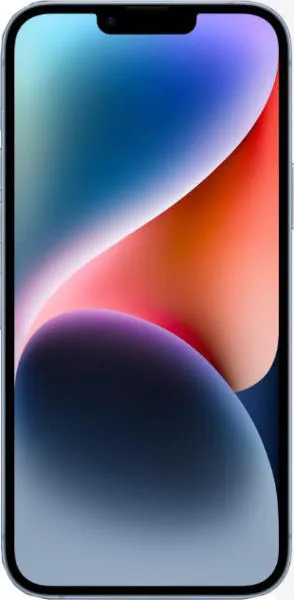
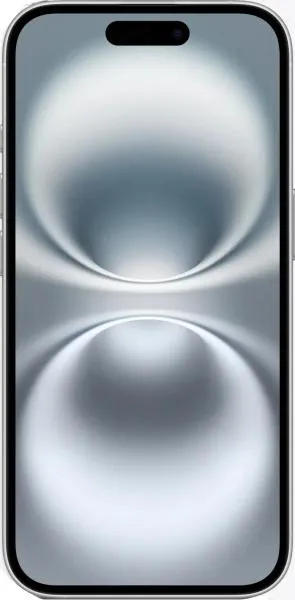
iPhone 14 Plus vs. iPhone 16: A Detailed Comparison
The iPhone 14 Plus and iPhone 16 represent two distinct generations of Apple's smartphone lineage. While both offer a premium experience, their differences in specifications translate to significant variations in real-world performance and user experience. Let's dissect these nuances to help you determine which phone best aligns with your needs.
1. Specifications Breakdown
| Feature | Apple iPhone 14 Plus | Apple iPhone 16 | Real-World Implications |
|---|---|---|---|
| Design | |||
| Dimensions (mm) | 160.8 x 78.1 x 7.8 | 147.6 x 71.6 x 7.8 | iPhone 16 is noticeably smaller and lighter, enhancing one-handed usability. |
| Weight (g) | 203 | 170 | Significant weight difference; iPhone 16 reduces hand fatigue during extended use. |
| USB Port | Lightning | USB Type-C | iPhone 16's USB-C offers faster data transfer and broader accessory compatibility, aligning with industry standards. |
| Display | |||
| Size (inches) | 6.7 | 6.1 | iPhone 14 Plus provides a larger viewing area for media consumption, while the iPhone 16 offers better portability. |
| Resolution (px) | 1284 x 2778 | 1179 x 2556 | Despite the size difference, both displays offer sharp visuals with similar pixel densities. |
| Peak Brightness (nits) | 1200 | 2000 | iPhone 16 boasts significantly higher peak brightness, ensuring exceptional outdoor visibility. |
| Performance | |||
| Chipset | A15 Bionic (5 nm) | A18 Bionic (3 nm) | A18 offers a notable performance leap, resulting in smoother multitasking, faster app launches, and enhanced graphics. |
| CPU | Hexa-core (2x3.23 GHz + 4x1.82 GHz) | Hexa-core (2x4.04 GHz + 4x2.20 GHz) | Higher clock speeds in the A18 translate to significant performance gains in demanding tasks and gaming. |
| RAM | 6 GB | 8 GB | Increased RAM on the iPhone 16 enables better multitasking and smoother performance with memory-intensive applications. |
| Camera | |||
| Main Camera (MP) | 12 | 48 | iPhone 16's higher resolution main camera captures more detail and offers greater flexibility for cropping and editing. |
| Sensor Size | 1/1.66" | 1/1.3" | Larger sensor on the iPhone 16 captures more light, improving low-light performance and dynamic range. |
| Battery Life | |||
| Capacity (mAh) | 4323 | 3561 | iPhone 14 Plus boasts a larger battery capacity, potentially leading to longer usage time despite its larger display. The A18's efficiency might offset this difference in the iPhone 16, though real-world usage will determine the actual battery life. |
2. Key Insights
- Performance: The A18 chip in the iPhone 16 is a generational leap over the A15, delivering substantial improvements in speed and efficiency. This translates to a smoother, more responsive user experience across the board.
- Camera: The iPhone 16's 48MP main camera with a larger sensor represents a significant upgrade, enabling detailed shots and improved low-light performance.
- Display: While smaller, the iPhone 16's display is brighter, making it easier to use outdoors. The iPhone 14 Plus offers a more immersive experience for media consumption due to its larger size.
- Portability: The iPhone 16's smaller and lighter form factor enhances one-handed usability and reduces pocket bulk.
- USB-C: The transition to USB-C on the iPhone 16 is a welcome change, offering faster data transfer, charging, and broader compatibility with accessories.
3. User Profiles and Recommendations
- iPhone 14 Plus: Ideal for users prioritizing a large display for media consumption, battery life, and a more affordable price point. Best for those who watch videos, play games casually, and value all-day battery life.
- iPhone 16: Suited for users who demand the latest technology, including top-tier performance, a superior camera system, and the convenience of USB-C. Power users, photographers, and those who value future-proofing will appreciate the iPhone 16.
4. Buying Decision Framework
- What is your budget? The iPhone 14 Plus, being an older model, is generally more affordable.
- How important is screen size? Prioritize the iPhone 14 Plus if a larger display is crucial. Choose the iPhone 16 for better portability.
- Do you need the absolute best performance and camera? If yes, the iPhone 16 is the clear winner.
My Choice: As a tech journalist who values staying at the cutting edge of mobile technology, I would choose the iPhone 16. The significant performance gains of the A18 chip, the advanced camera system, the brighter display, and the adoption of USB-C are compelling upgrades that future-proof the device. While the iPhone 14 Plus offers a larger display and potentially longer battery life, the overall advancements in the iPhone 16 align better with my needs for a powerful, versatile, and forward-looking smartphone. The smaller form factor is also appealing for daily use. The price premium for the iPhone 16 is justified by the substantial technological improvements.
