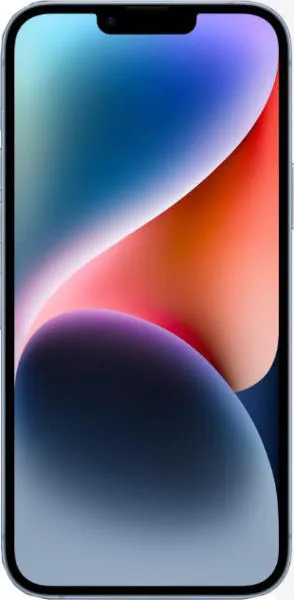
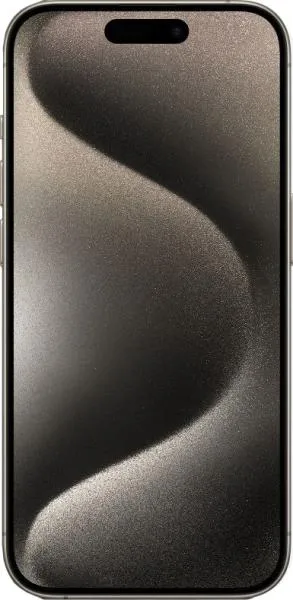
Let's dive into a comparative analysis of the Apple iPhone 14 Plus and the Apple iPhone 15 Pro. Both phones offer compelling features, but cater to distinct user needs and preferences. My goal here is to equip you with the knowledge to decide which device best fits your lifestyle.
1. Specifications Breakdown
| Feature | Apple iPhone 14 Plus | Apple iPhone 15 Pro | Real-World Implications |
|---|---|---|---|
| Design | |||
| Dimensions (mm) | 160.8 x 78.1 x 7.8 | 146.6 x 70.6 x 8.3 | 14 Plus is larger, impacting one-handed usability; 15 Pro is more compact and potentially pocketable. |
| Weight (g) | 203 | 187 | 14 Plus feels heavier; 15 Pro offers a lighter feel for extended use. |
| Material | Aluminum | Titanium | Titanium on the 15 Pro is stronger and more scratch-resistant, contributing to long-term durability. |
| Display | |||
| Size (inches) | 6.7 | 6.1 | 14 Plus provides a larger canvas for media consumption; 15 Pro offers a more manageable screen size. |
| Resolution (px) | 1284 x 2778 | 1179 x 2556 | Both offer sharp visuals, but the 14 Plus boasts slightly higher pixel density due to its larger size. |
| Refresh Rate (Hz) | 60 | 120 | 15 Pro's 120Hz ProMotion display delivers smoother scrolling and animations, enhancing visual fluidity. |
| Peak Brightness | 1200 nits | 2000 nits | 15 Pro's significantly higher peak brightness ensures better visibility in direct sunlight. |
| Performance | |||
| Chipset | A15 Bionic (5nm) | A17 Pro (3nm) | A17 Pro in the 15 Pro offers significant performance and efficiency gains over the A15. |
| CPU | Hexa-core | Hexa-core | Both are powerful, but the A17 Pro's newer architecture delivers faster processing speeds. |
| RAM (GB) | 6 | 8 | 15 Pro's increased RAM enables better multitasking and smoother performance with demanding applications. |
| Camera | |||
| Main Camera (MP) | 12 | 48 | 15 Pro's 48MP main camera captures significantly more detail and offers greater flexibility for cropping. |
| Zoom | Digital | 3x Optical | 15 Pro's optical zoom provides lossless magnification, surpassing the 14 Plus's digital zoom. |
| Battery Life | |||
| Capacity (mAh) | 4323 | 3274 | 14 Plus boasts a significantly larger battery capacity, suggesting longer usage time on a single charge. |
| Charging | Lightning | USB-C | 15 Pro adopts the industry-standard USB-C, enabling faster charging and broader accessory compatibility. |
2. Key Insights
The iPhone 14 Plus shines with its expansive display and impressive battery life. It's ideal for users who prioritize media consumption, gaming, and extended usage without frequent charging. The A15 Bionic, while a generation older, still delivers excellent performance for everyday tasks.
The iPhone 15 Pro, on the other hand, represents a significant leap in performance and camera technology. The A17 Pro chip, coupled with increased RAM, ensures blazing-fast speeds and seamless multitasking. The 48MP main camera with 3x optical zoom elevates photography and videography capabilities. The ProMotion display adds a layer of refinement to the user experience. However, its smaller battery capacity might be a concern for heavy users.
3. User Profiles and Recommendations
iPhone 14 Plus: Students, casual gamers, media enthusiasts, and users who prioritize battery life over cutting-edge performance.
iPhone 15 Pro: Professionals, content creators, mobile photographers, and users who demand top-tier performance, the latest camera technology, and a premium user experience.
4. Buying Decision Framework
- What is your budget? The 14 Plus offers excellent value for its price, while the 15 Pro commands a premium.
- What are your primary use cases? Consider whether you prioritize media consumption and battery life or peak performance and advanced camera features.
- How important is future-proofing? The 15 Pro, with its newer chipset and USB-C port, is likely to offer better long-term support and compatibility.
My Choice: iPhone 15 Pro
While the iPhone 14 Plus is a compelling device, I would choose the iPhone 15 Pro. The A17 Pro chip's performance leap, coupled with the advanced camera system and ProMotion display, are significant upgrades that enhance the overall user experience. The shift to USB-C is also a welcome change, offering greater flexibility. Although the battery capacity is smaller, the A17 Pro's efficiency mitigates this to some extent. As a tech enthusiast who values cutting-edge technology and its long-term implications, the 15 Pro aligns better with my needs. I'm willing to pay the premium for the future-proofing and significant advancements it offers.
