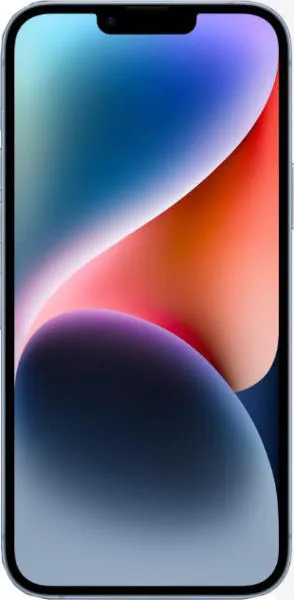

Apple iPhone 14 Plus vs. Apple iPhone 15: A Deep Dive
Let's dissect the Apple iPhone 14 Plus and the iPhone 15, going beyond the spec sheet to understand what these differences truly mean for you.
1. Specifications Breakdown
| Feature | Apple iPhone 14 Plus | Apple iPhone 15 | Real-World Implications |
|---|---|---|---|
| Design | |||
| Dimensions (mm) | 160.8 x 78.1 x 7.8 | 147.6 x 71.6 x 7.8 | iPhone 15 is noticeably smaller and lighter, making it more pocketable and comfortable for one-handed use. |
| Weight (g) | 203 | 171 | Significant weight difference; iPhone 15 feels less bulky. |
| USB Port | Lightning | USB Type-C | iPhone 15 offers faster data transfer, broader accessory compatibility, and potentially faster charging. |
| Display | |||
| Size (inches) | 6.7 | 6.1 | 14 Plus provides a larger viewing area for media consumption; iPhone 15 is more compact. |
| Resolution (px) | 1284 x 2778 | 1179 x 2556 | Both are sharp, but the 14 Plus has a slightly higher pixel density due to its larger size. |
| Peak Brightness | 1200 nits | 2000 nits | iPhone 15 offers significantly improved outdoor visibility. |
| Performance | |||
| Chipset | A15 Bionic (5nm) | A16 Bionic (4nm) | iPhone 15 boasts a newer, more efficient chip with performance and efficiency gains. |
| CPU | Hexa-core | Hexa-core | While both are hexa-core, the A16's architecture and clock speeds deliver a performance boost. |
| GPU | 5-core | 5-core | A16's GPU should offer smoother graphics performance in demanding games and applications. |
| RAM | 6GB | 6GB | RAM is equal, indicating similar multitasking capabilities. |
| Camera | |||
| Main Sensor (MP) | 12 | 48 | iPhone 15's 48MP sensor allows for greater detail, larger prints, and more flexibility in cropping. |
| Battery Life | |||
| Capacity (mAh) | 4323 | 3349 | iPhone 14 Plus has a substantially larger battery, likely resulting in significantly longer battery life. |
2. Key Insights
- Size and Portability: The iPhone 15's smaller footprint and lighter weight are a win for one-handed use and portability. The 14 Plus is ideal for those prioritizing a larger screen for media consumption.
- Performance: The A16 Bionic chip in the iPhone 15 provides a tangible performance upgrade, future-proofing the device and enabling smoother performance in demanding tasks.
- Camera: The 48MP main camera on the iPhone 15 is a game-changer, offering significantly improved detail and flexibility.
- Battery Life: The iPhone 14 Plus's massive battery is a major advantage for users who demand all-day battery life. The iPhone 15, with its smaller battery and more powerful processor, will likely need more frequent charging.
- USB-C: The shift to USB-C on the iPhone 15 is a welcome change, offering faster data transfer and charging, plus compatibility with a wider range of accessories.
3. User Profiles and Recommendations
- iPhone 14 Plus: Ideal for users who prioritize battery life and a large screen for media consumption, gaming, and productivity. Excellent for those who don't need the absolute latest processing power.
- iPhone 15: Best suited for users who value a compact and lightweight design, the latest performance, a significantly upgraded camera, and the convenience of USB-C. Good for those who are willing to charge more frequently or utilize battery optimization features.
4. Buying Decision Framework
- How important is battery life to you? If all-day longevity without charging is crucial, the 14 Plus is the clear winner.
- Do you prioritize the latest performance and camera technology? If you want the best possible performance and image quality, the iPhone 15 is the better choice.
- What screen size do you prefer? Consider whether you prefer a larger display for immersive media or a more pocketable device for one-handed use.
My Choice
If I were choosing between these two phones, I would opt for the iPhone 15. While the 14 Plus offers exceptional battery life, I prioritize the significant performance leap of the A16 Bionic chip, the vastly improved camera system, the modern convenience of USB-C, and the more manageable size. I'm willing to adapt to the smaller battery by being more mindful of my usage or utilizing power-saving features. The combination of future-proof performance, cutting-edge camera technology, and broader connectivity makes the iPhone 15 a more compelling device for my needs.
